Great Falls VA Indoor Air Quality Services — Home Testing Tips
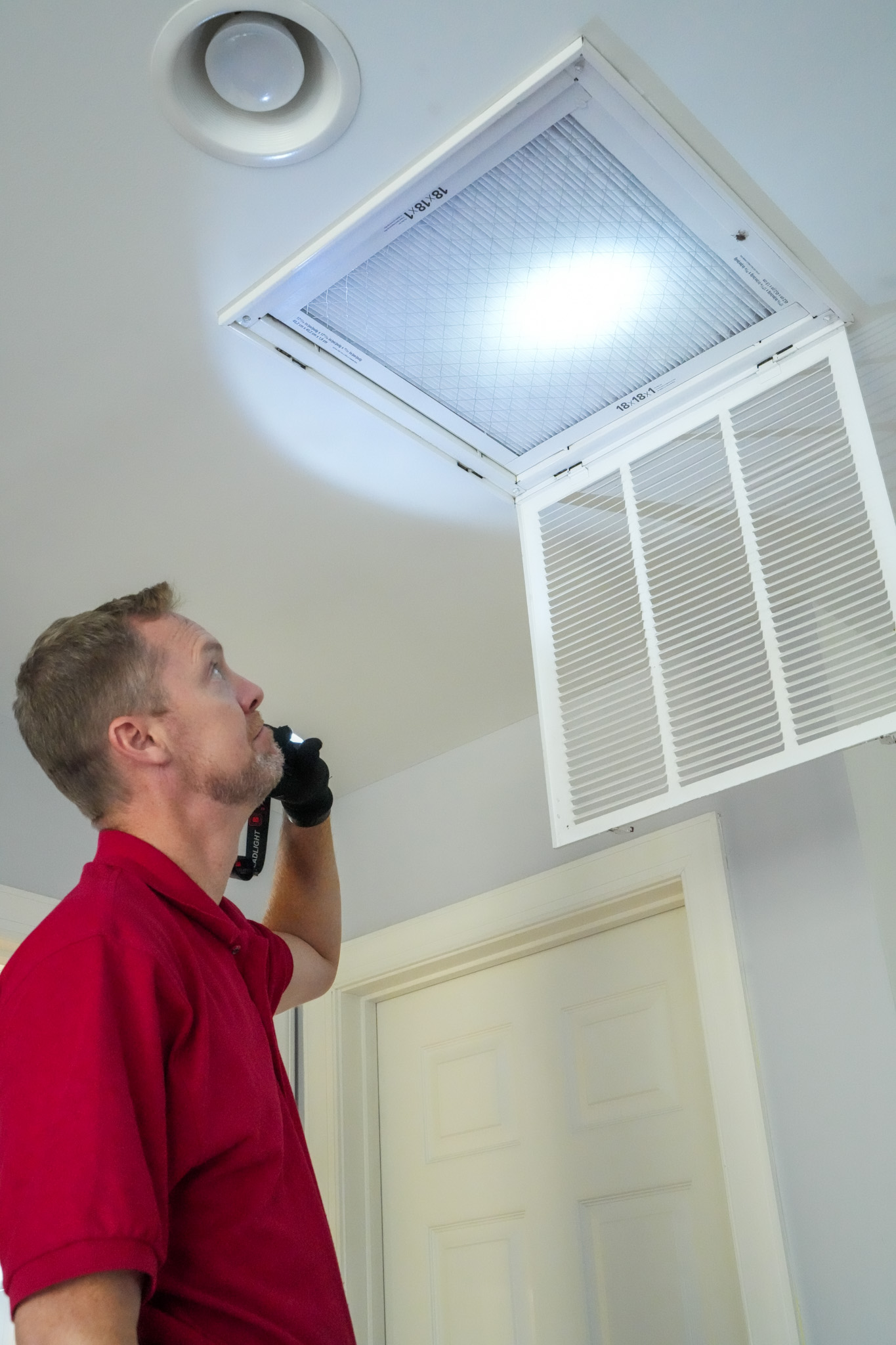
If your family is sneezing, waking up stuffy, or noticing musty smells, it is time to consider home air quality testing. This guide explains what indoor air quality testing is, how to check your indoor air, and when to call a licensed pro. We will compare DIY options with professional diagnostics and show how whole‑home solutions improve results and reduce ongoing issues. Limited‑time humidifier savings are available below.
What Is Home Air Quality Testing and Why It Matters
Indoor air quality testing measures what you cannot see: particulate matter, VOCs, humidity, carbon monoxide, carbon dioxide, and biological contaminants. The goal is to identify what is present, where it comes from, and how to fix it. For Northern Virginia homeowners, seasonal swings amplify the problem. Pollen and humidity spike in spring and summer, while winter brings dry air and recirculated dust.
Two facts set the stage:
- The EPA notes most people spend about 90 percent of their time indoors, and indoor air can be significantly more polluted than outdoor air.
- The EPA and ASHRAE recommend maintaining indoor relative humidity between 30 and 50 percent to limit mold growth and improve comfort.
Testing is the first step, but testing alone does not solve problems. Effective IAQ plans pair accurate measurements with targeted HVAC‑integrated solutions such as whole‑home filtration, UV purification, humidity control, and duct improvements. When your testing informs upgrades, you get fewer allergies and respiratory issues, lower risk of illnesses, prevention of mold growth, and better HVAC efficiency.
Signs You Need Indoor Air Testing Now
You do not need to wait for lab results to know something is off. Watch for these common triggers:
- Recurring morning congestion, headaches, or irritated eyes.
- Musty or chemical odors that linger after cleaning or cooking.
- Excess dust on surfaces shortly after cleaning.
- Rooms that feel sticky in summer or overly dry in winter.
- Visible mold near windows, in bathrooms, or by supply vents.
- Family members with worsening allergies or asthma.
- Condensation on windows or wood swelling in humid months.
In Arlington, Alexandria, and along the I‑95 corridor, high summer humidity can push indoor relative humidity above 60 percent. That level supports mold and dust mite activity. In winter, heated air can drop humidity below 30 percent, irritating nasal passages and increasing static. Testing verifies the problem and informs the fix.
DIY Air Quality Checks You Can Do Today
You can get a quick snapshot with consumer tools and a few household checks. Start here:
- Spot checks with monitors
- Use a reliable indoor monitor to read PM2.5, PM10, VOCs, CO2, temperature, and humidity.
- Track readings for at least one week to capture cooking, cleaning, and outdoor changes.
- Humidity and temperature log
- Place hygrometers on each floor and in the basement. Aim for 30 to 50 percent relative humidity.
- Source audit
- List potential sources: candles, cleaners, paints, attached garages, gas appliances, pets, recent renovations, and smoking.
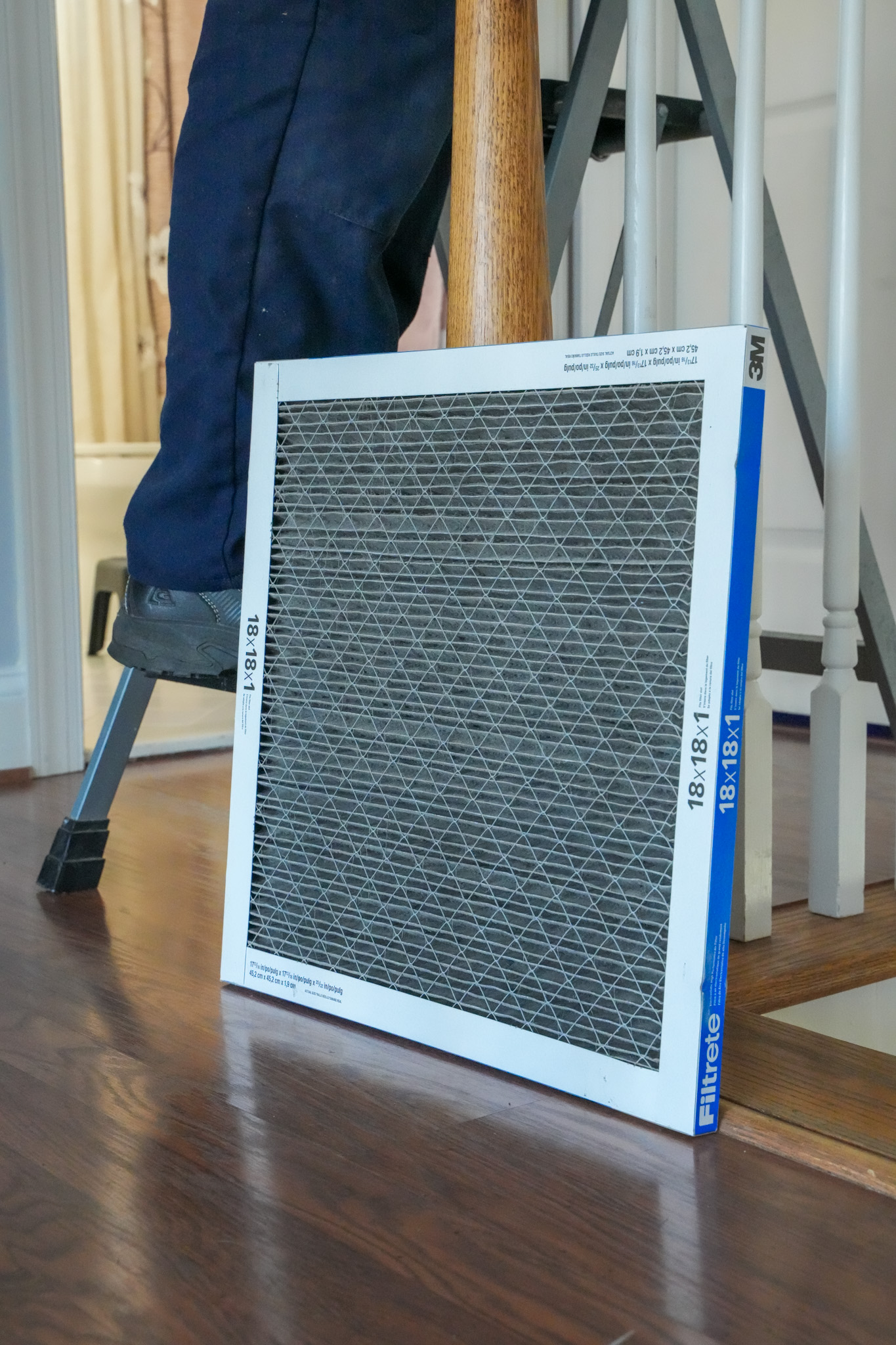
- HVAC filter inspection
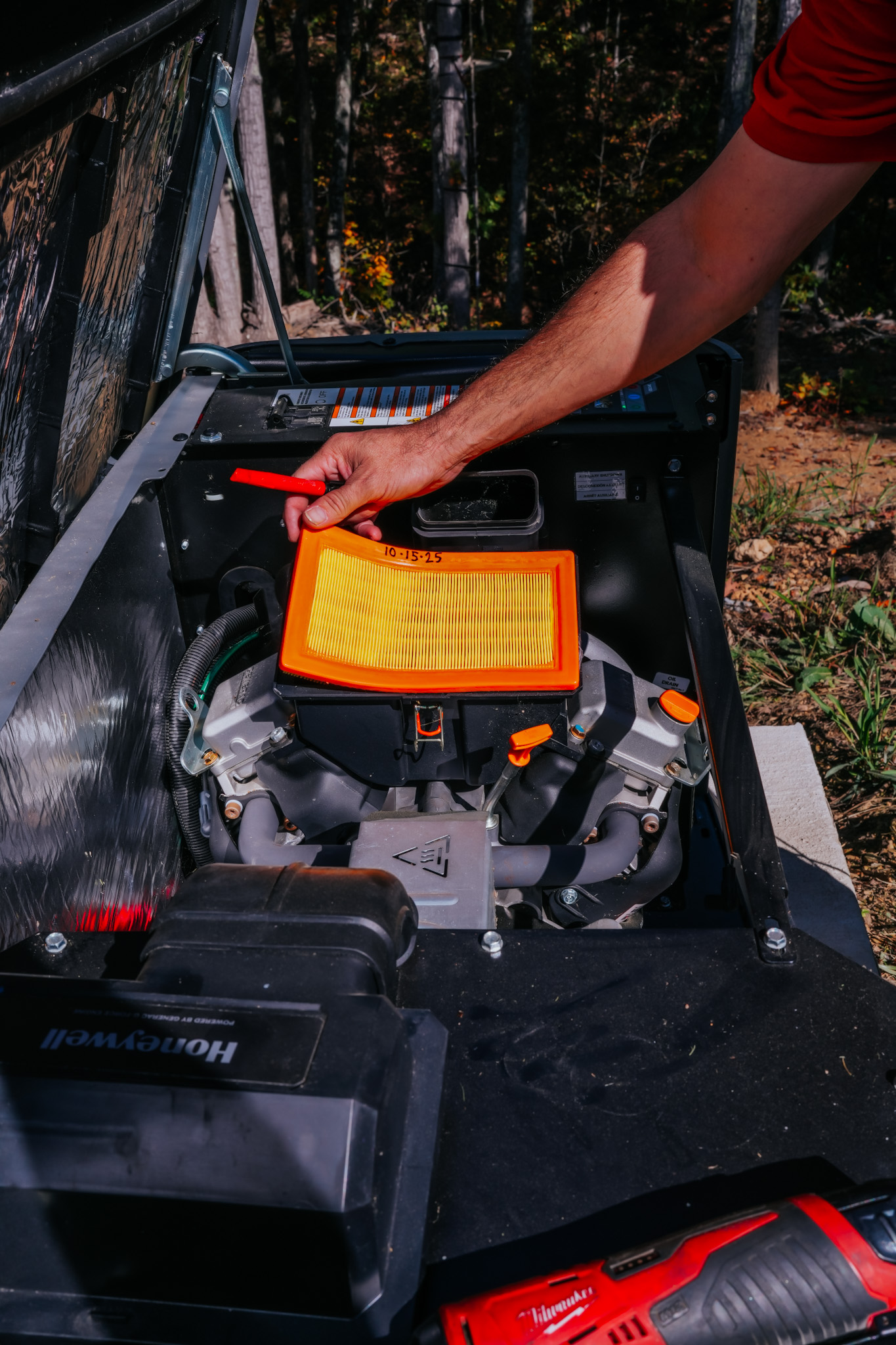
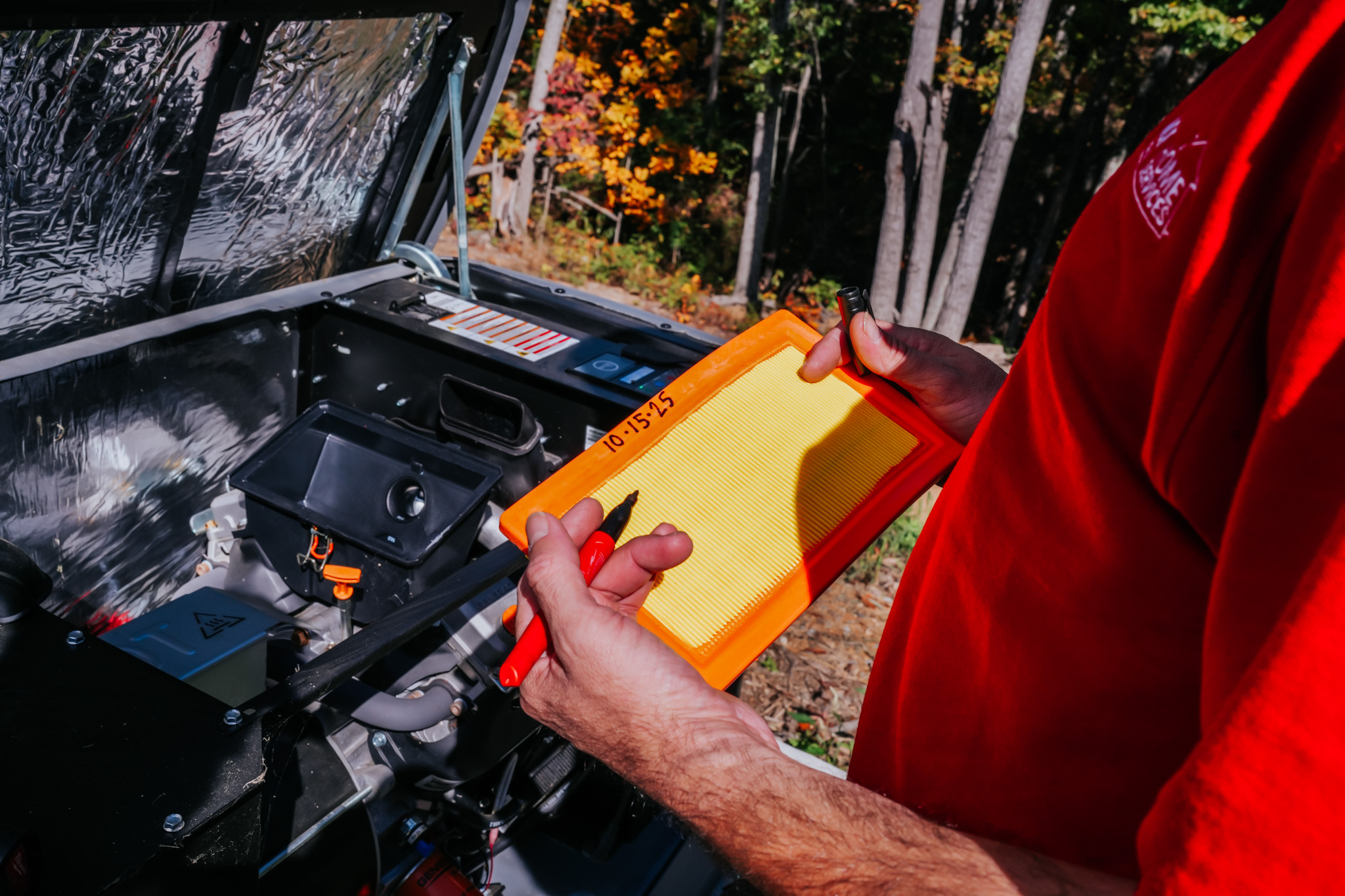
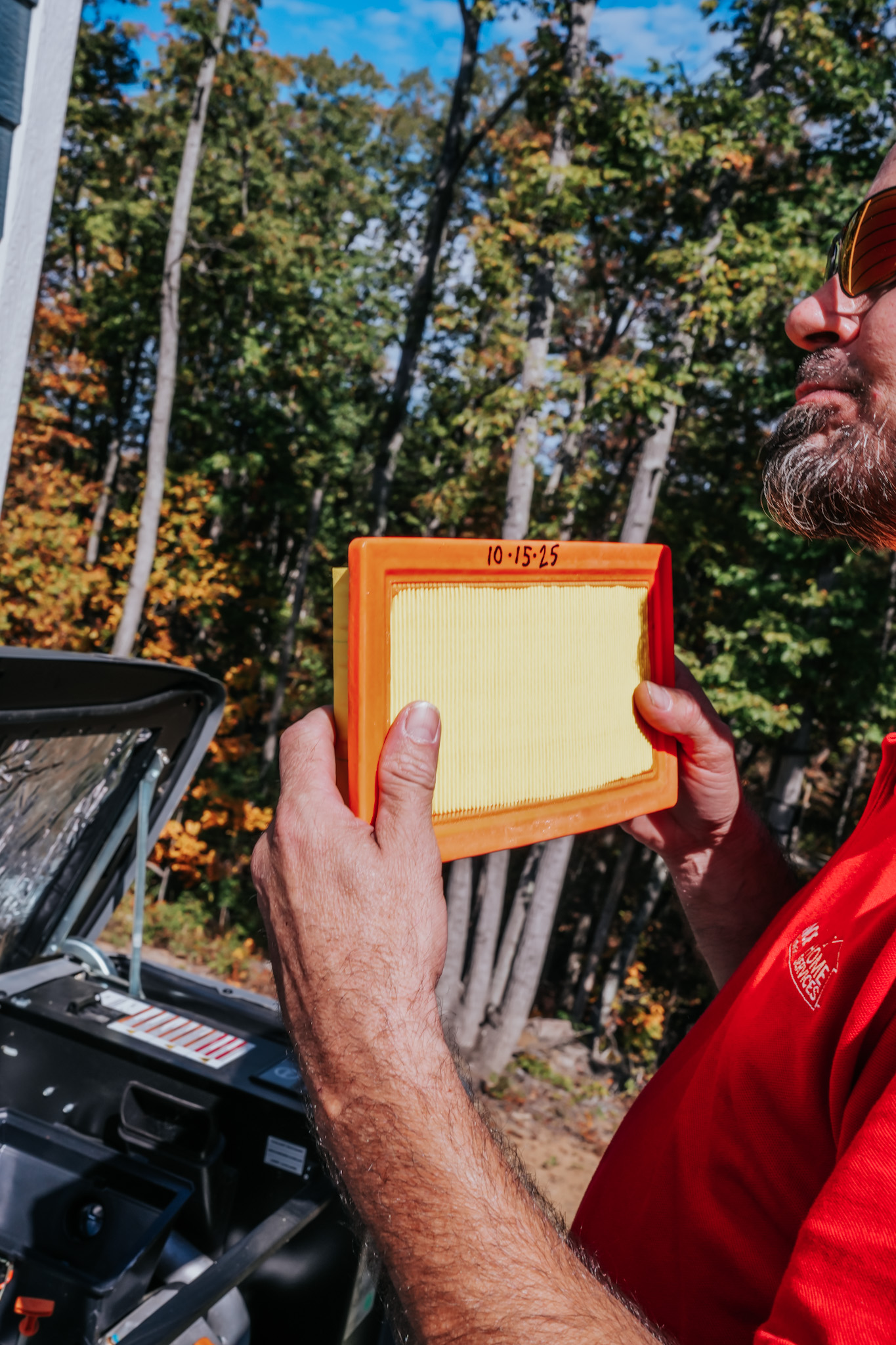
- Check your filter. If it is gray or clogged, airflow and filtration suffer. Replace on schedule.
- Airflow and dust pattern review
- Look for shadowy dust streaks on carpet edges or around supply registers. This can signal duct leakage.
DIY checks are helpful, but they do not pinpoint microscopic pathogens, formaldehyde, or hidden duct problems. If your readings stay high, or symptoms persist, you need professional diagnostics.
Professional IAQ Testing: What We Measure and Why It Works
A licensed HVAC team does more than wave a handheld meter. At Parrish Services, we combine instrument‑grade testing with an HVAC‑integrated plan to fix the root causes. A typical visit can include:
- Particulate matter testing for PM2.5 and PM10 that drive allergies and asthma.
- VOC screening and source tracing for off‑gassing from paints, furniture, and solvents.
- Carbon monoxide and combustion safety checks for furnaces and water heaters.
- Carbon dioxide as a proxy for ventilation effectiveness.
- Relative humidity and temperature mapping across rooms and floors.
- Duct inspection for dust load, microbial growth risks, and leakage that pulls attic or crawlspace air into your supply.
- Equipment evaluation to ensure your HVAC can support advanced filtration and sanitation.
We do not stop at data. We integrate results with solutions that your HVAC system can carry to every room. You can turn your forced‑air heating and cooling system into a whole‑house air purifier with the addition of advanced filtration and sanitation equipment. That one‑stop approach beats portable units that only treat a single room.
Lab Testing, On‑Site Instruments, or Continuous Monitoring?
There are three main testing paths, and each has a place:
- On‑site instruments
- Pros: Immediate readings for particulates, CO, CO2, humidity, and temperature.
- Best for: Fast diagnostics, pre‑ and post‑cleaning verification, and seasonal tune‑ups.
- Lab testing with sampling media
- Pros: High confidence for specific pollutants like mold species or formaldehyde.
- Best for: Persistent odors, health symptoms, or real estate documentation.
- Continuous monitoring
- Pros: 24/7 tracking of PM, VOCs, and humidity with alerts.
- Best for: Families with asthma, new parents, or homes near high‑traffic roads.
Our recommendation in Northern Virginia is a hybrid. Use professional instruments to set a baseline, then pair a continuous monitor with targeted upgrades. Re‑test 30 days after improvements to confirm results.
From Test to Treatment: The Fix‑It Plan That Works
Testing only pays off when you make the right improvements. Based on your results, we may recommend:
- Whole‑home air filtration and purification
- Extended media filters increase surface area and capture more dust without choking airflow.
- Electronic filters charge particles to improve capture while keeping pressure drop low.
- Ultraviolet air purifiers disable the spread of bacteria and viruses at the molecular level.
- HEPA options can capture up to 99.9 percent of very small particles when integrated properly.
- Humidity control
- Whole‑home humidifiers and dehumidifiers tie into your ductwork to balance moisture.
- Balanced humidity prevents mold and wood rot, reduces static, and improves sleep.
- Duct cleaning and sealing
- Cleaning ducts and coils removes debris that would otherwise blow back into rooms.
- Sealing leaks blocks attic or crawlspace air from entering your supply, which reduces allergens and improves efficiency.
- Targeted ventilation improvements
- Kitchen and bath fan upgrades, fresh air intakes, or ERVs where needed.
- Filter management
- Selecting the right MERV rating for your system and creating a change schedule that protects airflow and capture rate.
Benefits you can expect include fewer odors, reduced strain on AC systems, lower energy bills, and protection of your home’s structure and belongings.
The Northern Virginia Factor: Local Insights That Change the Plan
Our climate swings hard. Oak and grass pollen spike in Alexandria and Arlington from April to June. Summer storms add moisture that lingers in shaded lots around Reston and Herndon. Basements in Fredericksburg and Stafford can creep past 60 percent relative humidity in July. In winter, dry heat in Ashburn and Centreville drops humidity below 30 percent.
Because these patterns are predictable, we tailor testing windows and solutions:
- Spring: Pre‑season duct inspection, coil cleaning, and filter upgrades cut pollen load.
- Summer: Dehumidifier sizing review to maintain 45 to 50 percent RH on the worst days.
- Fall: Whole‑home filtration and UV additions before the windows close.
- Winter: Humidifier service to hold 35 to 45 percent RH without window condensation.
This seasonal plan dovetails with our Priority Service Plans so maintenance is proactive, not reactive.
DIY vs Pro: When to Call in a Licensed Team
Do it yourself when:
- You want a quick snapshot of PM and humidity.
- Your issues are room specific, like a musty guest room.
- You are comfortable replacing filters and sealing small gaps with weatherstripping.
Call a pro when:
- Symptoms persist despite clean filters and open windows.
- CO or VOC alarms trip, or you detect fuel odors.
- You see mold growth on vents or inside returns.
- You have hot‑and‑cold spots across floors that hint at duct issues.
- You are ready to integrate filtration, UV, or humidity control into your HVAC.
As a Class A Virginia Contractor with factory‑trained technicians, we size equipment to your HVAC and verify results with follow‑up testing.
What a Professional IAQ Visit Looks Like
Here is our typical step‑by‑step process for homeowners in Manassas and across NoVA:
- Discovery and symptom mapping
- We document concerns, room by room, and note recent changes like renovations or new pets.
- Baseline measurements
- We log PM2.5, PM10, VOCs, CO, CO2, temperature, and relative humidity in key zones.
- HVAC and duct evaluation
- We check filter fit, pressure drop, coil cleanliness, and duct leakage that can pull in allergens.
- Source tracing
- We identify likely VOC and moisture sources, from stored paints to crawlspace vents.
- Recommendation plan
- We present good, better, best options with costs and timelines.
- Integration and installation
- We add extended media, electronic, UV, HEPA, humidifiers, or dehumidifiers as needed.
- Post‑improvement validation
- We re‑test and set up filter changes and maintenance reminders.
This is supported by easy scheduling, prompt arrivals, technician tracking to your door, and cloud‑based records.
Maintenance Matters: Keep IAQ Gains Year‑Round
Testing gives you a baseline. Maintenance keeps it that way. Our Priority Service Plans make caring for home systems convenient and consistent. For IAQ specifically, your maintenance calendar should include:
- Clean or replace filters on schedule, not just when they look dirty.
- Cleaning air ducts and AC coils at recommended intervals.
- Inspecting and sealing ductwork to prevent leaks.
- Checking inline air purifiers, UV bulbs, and HEPA assemblies.
- Inspecting the condensate drain line to prevent microbial growth.
- Annual service for whole‑home humidifiers and dehumidifiers.
Integrated humidifiers typically need minimal service each year. We explain the system and the signs that it is time to call for support, so you never guess.
How Testing Connects to Whole‑Home Solutions
Here is how specific findings map to proven fixes:
- High PM2.5 readings and dust buildup
- Upgrade to extended media or electronic filtration. Consider HEPA if the system supports it.
- Musty odors and humidity above 55 percent RH
- Add a whole‑home dehumidifier. Seal ducts and improve ventilation in bathrooms and kitchens.
- Dry air, static, and morning sore throats in winter
- Install a whole‑home humidifier and set a 35 to 45 percent RH target.
- Elevated VOCs after renovations or painting
- Increase ventilation time, add activated media, and consider UV systems that address certain organic compounds.
- CO or backdraft risk from appliances
- Address combustion safety first, then revisit ventilation and monitoring.
Testing turns into action when you choose HVAC‑integrated equipment. You get balanced humidity throughout the entire home, cleaner air delivered through your existing ducts, and less strain on your AC.
Why Homeowners Choose Parrish for IAQ Testing and Solutions
Parrish Services brings a one‑stop, HVAC‑integrated approach. We install and service air cleaners, HEPA and UV purifiers, extended media and electronic filters, whole‑home humidifiers and dehumidifiers, and replacement HVAC filters. Our technicians are fully licensed, bonded, insured, and factory trained. We arrive on time, carry in‑stock parts, and offer 24/7 emergency dispatch.
Our firm is recognized by Inc. Magazine as a top 5,000 private company, maintains an A+ BBB rating, and is an EBSCO Best Pick. We are active members of ACCA and PHCC. That experience translates to correct sizing, cleaner installs, and faster results for your home in Alexandria, Woodbridge, or Winchester.
Quick Homeowner Checklist Before Scheduling Testing
Use this 10‑minute checklist to prepare for an IAQ visit:
- Note when symptoms are worst and where they occur.
- List cleaning supplies, air fresheners, or recent painting.
- Check your HVAC filter size and age.
- Photograph any visible mold or water staining.
- Record humidity and temperature on each floor.
- Test smoke and CO alarms.
- Gather past service records, if available.
- Note window condensation or drafty rooms.
- Confirm access to the furnace, air handler, and returns.
- Make a short wish list for comfort and health goals.
Bring this to your appointment and we will align testing and solutions to your top priorities.
Special Offers on Indoor Air Quality
- Special Offer: Save $100 on a whole‑home humidifier install. Use code HUMID100 before 11/04/2026. Cannot be combined with other offers. Valid on standard pricing only.
- Bonus Offer: Free UV light with the purchase of a new HVAC system. Expires 08/31/2026. Cannot be combined with other offers. Valid on standard pricing only.
What Homeowners Are Saying
"Melvin and Nathan did an outstanding job to replace our furnace humidifier. They were on time and answered all my questions about the humidifier installation. They could not use the original position on the furnace and Nathan's recommendation where to relocate it worked out better. Great job!"
–Parrish Customer, Humidifier Install
"I hired Parrish Services to install a whole house humidifier and do a winter HVAC checkup. They were upfront with the pricing and what I would get for the service. The technician Nathan arrived early and completed the job professionally leaving no loose ends and actually went above and beyond. I was very happy with the professionalism and courtesy provided all through the process."
–Parrish Customer, Northern Virginia
"We recently had Parrish Services out to replace the steam humidifier canisters and were extremely impressed with the service and timeliness. So much so that we have decided to sign up for their whole house service plan."
–Parrish Customer, Service Plan
"The Parrish Services technician did a great job performing maintenance on my HVAC Humidifier. The technician was also very informative!"
–Parrish Customer, Humidifier Maintenance
Frequently Asked Questions
How accurate are DIY home air quality testing kits?
DIY monitors are useful for trends in PM, VOCs, CO2, and humidity. They are not lab grade and cannot diagnose sources. Use them to spot issues, then confirm with professional testing and a corrective plan.
What indoor humidity level should I target year‑round?
Aim for 30 to 50 percent relative humidity. Stay closer to 45 to 50 percent in summer and 35 to 45 percent in winter to limit mold and dust mites while protecting woodwork and comfort.
Do whole‑home purifiers beat portable units?
Yes. HVAC‑integrated filtration and UV systems treat every supplied room, not just one space. They also maintain airflow and are easier to maintain through your regular filter and service schedule.
How often should I replace my HVAC filter?
Follow the manufacturer’s guidance and your home’s needs. Many homes benefit from 60 to 90 day changes. If you have pets, allergies, or construction dust, inspect monthly and change more often.
Will duct cleaning really help air quality?
If ducts are dusty, contaminated, or leaking, cleaning and sealing can reduce allergens and improve airflow. We always pair cleaning with sealing and filter upgrades for lasting results.
Conclusion
Home air quality testing gives you data and a plan to protect your family. For reliable results in Northern Virginia, pair testing with HVAC‑integrated filtration, UV purification, and moisture control. If you are searching for home air quality testing near me, start with a professional baseline and follow‑up validation. You will breathe easier, sleep better, and protect your home.
Ready to Breathe Better? Schedule Your Test Today
- Call Parrish Services at (571)-650-1016
- Schedule online at https://www.parrishservices.com/
- Mention coupon HUMID100 to save $100 on a whole‑home humidifier install before 11/04/2026
Serving Arlington, Alexandria, Ashburn, Reston, Herndon, Woodbridge, Centreville, Stafford, Fredericksburg, and Winchester. Book now for fast, on‑time testing and a clear plan to improve your indoor air.
Parrish Services is Northern Virginia’s trusted Class A contractor (VA license #2705038448) for HVAC, plumbing, and electrical. Our factory‑trained, certified team delivers on‑time appointments, technician tracking, in‑stock parts, and 24/7 emergency dispatch. We pair transparent pricing with Priority Service Plans and cloud‑based records. Recognitions include Inc. 5000, A+ BBB, and EBSCO Best Pick. From whole‑home filtration to humidity control, we integrate IAQ systems into your existing HVAC for consistent, healthy air.
Sources9
Source links open in a new tab.
- $100 Off A Humidifier Installparrishservices.com (opens in a new tab)
- Happy comment by David Foulkegoogle.com (opens in a new tab)
- Happy comment by Sam Tyner-Monroegoogle.com (opens in a new tab)
- Happy comment by ROBERT BANKSgoogle.com (opens in a new tab)
- Happy comment by Mike Loftusgoogle.com (opens in a new tab)
- Indoor Air Quality Services Northern VA | Parrish Servicesparrishservices.com (opens in a new tab)
- Wi-fi Smart Thermostats Manassas, VA | Parrish Servicesparrishservices.com (opens in a new tab)
- Our Pricing | Parrish Servicesparrishservices.com (opens in a new tab)
- Furnace Repair in Northern VA | Parrish Servicesparrishservices.com (opens in a new tab)