Parrish Services Logo
(571)-650-1016

HVAC, Plumbing & Electrical in Northern Virginia

Need reliable HVAC, plumbing, and electrical help now? Our concierge team delivers same-day solutions with on-time appointments and clear communication. Recognized as Virginia’s top mechanical contractor and backed by a 4.8 rating from 1,434 reviews, we bring factory-trained techs to every job. Serving Northern Virginia, including Alexandria, Fairfax, and Arlington. Before summer heat arrives, schedule your AC service. Call or book online for friendly, professional service today.

4.8(1,434 reviews)
Where we work

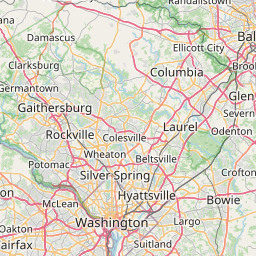
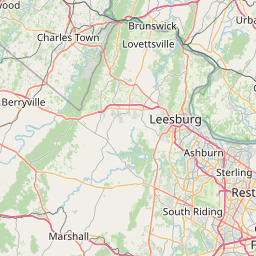
Service Areas

The Plains

VA

Midland

VA

Remington

VA

Great Falls

VA

Vienna

VA

Clifton

VA

Warrenton

VA

McLean

VA

Bealeton

VA

Marshall

VA

Fairfax

VA

Reston

VA

Current Offers5 Active

Active coupons & redemption details.

View all offers
All Services

Full trip fee credited when proceeding with recommended repairs or services on the same day of assessment

Proceed with the recommended repairs or services on the same day as the assessment

August 5, 202627 days leftView offer
All Services50% OFF

50% credit of the trip fee when opting to move forward with the suggested work

Opting to move forward with the suggested work

August 5, 202627 days leftView offer
All Services15% OFF

Up To 15% Off All Service Repairs

August 5, 202627 days leftView offer
All Services15% OFF

15% Off Equipment Replacement

August 5, 202627 days leftView offer
All Services

They came out 6 weeks after the install when we thought we needed help, and because we are part of their annual service (just $16 per month!) they didn't charge a dime - and they could have without us knowing any better.

August 5, 202627 days leftView offer
Social proof

What our customers say

5.0
Quality of Work

“Excellent work. Thank you”

5.0
Professionalism

“Daniel Um was professional, efficient, and informative. I would highly recommend him!”

5.0
Punctuality

“I really appreciate to come so quickly helping us in this weather conditions!”

5.0
Service

“Very gentle very kindly very honest!!”

5.0
Overall experience

“This was my 1st experience w Parrish, and...THEY WERE GREAT! From my intial call, to working w Eric about the job and the estimate, to working w several office folks and dispatch prior to the job, and then to day of, EVERY interaction was really great. Many extra thanks to Eric, and it was HE that really made me want to work w him and Parrish. In 110 degrees in my attic, he addressed my HVAC repair and got me back up and running. 5 STARS here!”

Learn more

Resources

Manassas, VA Drain Cleaning: 5 Emergency Warning Signs


Estimated Read Time: 9 minutes

Slow drains turn into flooded floors fast. If you are seeing multiple backups or smelling sewage, you may need emergency drain cleaning. In Northern Virginia, older cast iron lines and thirsty tree roots make clogs a year-round risk. Parrish Services clears blockages quickly with safe, non-toxic methods and advanced tools like hydro-jetting and video inspection. Read the five signs that mean it is time to call a pro, not a plunger. Then learn what happens next and how to prevent the next backup.

1) More than one drain is slow or backing up on the lowest level

One slow sink is annoying. Several slow fixtures on the first floor or in a basement point to a larger blockage in the main line. When waste cannot move through the stack, it looks for the nearest exit. Toilets burp. Showers drain slowly. Floor drains weep. If you have more than one slow fixture, the problem is rarely a simple hair clog. It is often grease, scale, wipes, or tree roots restricting the main.

In Northern Virginia, clay soil and mature street trees are common. Roots follow moisture. They slip into small pipe joints and expand, especially in older sections of Arlington and Alexandria with 1960s era lines. Once roots enter, they act like a net and catch everything you flush.

What a pro does next:

  1. Perform a video line inspection to confirm the obstruction and locate the exact spot.
  2. Clear the line using snaking or hydro-jetting, depending on pipe condition and severity.
  3. Document findings and recommend repair or preventive treatment if the pipe is damaged or root-prone.

Hydro-jetting scours the full pipe diameter using water pressure while keeping harsh chemicals out of your home. This method is effective for grease, sludge, and small root intrusions and is gentle on properly rated lines when performed by trained techs.

2) Gurgling sounds, sewage smells, or wet spots in the yard

Air should move freely through your drain and vent system. Gurgling from a sink or toilet signals trapped air fighting past a clog. Foul odors mean waste is stalled or a vent is blocked. Outside, a soggy patch or bright green strip across the lawn can indicate a leaking sewer lateral.

These symptoms can escalate quickly. Wastewater carries bacteria and can undermine soil. In heavy rain, a partially blocked line can become a full blockage as groundwater seeps in through old joints. If you notice combined symptoms, treat it as urgent.

What a pro does next:

  1. Pressure test and camera scope to verify vent or lateral issues.
  2. Pinpoint the problem using locators that communicate with the camera head.
  3. Offer minimally invasive options like trenchless repair or pipe relining when suitable, which avoids tearing up landscaping and hardscapes.

Parrish Services specializes in trenchless solutions and pipe relining that restore structural integrity without a long, open trench. This protects mature trees, irrigation, and driveways that are common across Fairfax and Loudoun neighborhoods.

3) The clog keeps coming back after DIY fixes

If you have plunged, used a safe enzyme, or snaked a few feet and the clog returns, there is likely a deeper obstruction. Short-term clears remove the symptom, not the cause. Grease settles in the horizontal runs of kitchen lines. Scale and soap combine to form sludge in tub lines. Paper and wipes snag on rough pipe walls. A small belly in the pipe collects debris and restarts the cycle.

Repeated DIY attempts can scratch pipe walls or push the blockage deeper. Chemical drain cleaners can damage seals or corrode older metal. If you are on your second or third round with the same drain, stop and call for professional service.

What a pro does next:

  1. Map the line with a camera from the affected fixture to the main stack.
  2. Use the correct tool for the obstruction. For example, jetting for grease, a cutting head for roots, or descaling for cast iron.
  3. Verify flow and condition after clearing, then document with video so you can see the result.

At Parrish, we combine video troubleshooting with cloud documentation. You can review recorded findings and approved work on your phone and track your technician’s arrival, which keeps your household schedule running.

4) Water backs up into a nearby fixture when you run another

Water rising in a tub when you flush a toilet, or kitchen sink water bubbling into a dishwasher, are classic cross-connection symptoms. This indicates a downstream blockage. The system is trying to vent through the nearest connected path. It is not only unsanitary. It can also damage floors, cabinets, and drywall.

Cross backups often appear with older cast iron laterals that have rough interiors. In parts of Alexandria, Arlington, and older sections of McLean, age and mineral scale narrow the pipe’s effective diameter. The result is frequent stoppages and unexpected backups.

What a pro does next:

  1. Test fixture-to-stack flow and isolate the blockage location.
  2. Clear and flush the shared branch line to the main.
  3. Recommend ongoing protection, like enzyme treatments or a maintenance jetting schedule for grease-prone kitchens.

Because our team is licensed across plumbing, HVAC, and electrical, we can coordinate related fixes in one visit. That is useful when a dishwasher, disposal, or laundry pump also needs attention after a backup.

5) Storm surge, basement floor drain overflow, or sudden whole-house slowdown

Heavy thunderstorms can push groundwater toward your lateral and overwhelm weak spots. If your floor drain overflows or every fixture slows at once, you need rapid response to prevent a sewage exposure. This is not a wait-and-see moment. Wastewater can wick into baseboards and framing within minutes.

What a pro does next:

  1. Provide emergency clearing to stop the overflow and restore basic service.
  2. Use video inspection to check for collapse, joint failure, or root intrusion.
  3. If damage is found, propose trenchless repair or sectional spot repair to stabilize the line quickly.

Parrish offers 24/7 emergency service across Northern Virginia. Our technicians arrive in well-stocked vehicles and use safe, non-toxic methods. For many homes we can resolve the emergency same day and schedule follow-up restoration if needed.

What professional drain cleaning includes

When you call for emergency drain cleaning, you should expect more than a quick snake. A complete service includes:

  1. Diagnostic interview and inspection of fixtures and access points.
  2. Video line inspection to locate and verify the cause.
  3. Mechanical cleaning matched to the blockage. Options include snaking, hydro-jetting, descaling, or root cutting.
  4. Post-clear verification with camera and a flow test.
  5. A written report with repair or prevention recommendations.

Parrish Services is a Class A Virginia Contractor with an A+ BBB rating. We have been recognized as National HVAC Contractor of the Year in 2015 and are part of the Inc. 5000. Those signals matter when you are trusting a team to open your sewer line and protect your home.

Prevention tips for Northern Virginia homes

You can reduce the chance of another urgent call by adopting a few habits suited to our area:

  1. Use strainers in kitchen and bath sinks to catch food and hair.
  2. Keep grease, coffee grounds, and fibrous foods out of the disposal.
  3. Run cold water before, during, and after using the disposal.
  4. Do not flush wipes, even those labeled flushable.
  5. Schedule annual or semiannual drain inspections and cleanings. Yearly cleaning removes sludge and keeps water moving.
  6. Consider enzyme-based maintenance and, when appropriate, herbicidal root treatment to slow regrowth.

Members of the Parrish Priority Service Plan receive regular maintenance visits, priority scheduling, and discounts on repairs and replacements. Maintenance records are stored in the cloud so you know what was done and when it is due again.

How we repair without wrecking your yard

Traditional sewer replacement can mean days of digging. Many Northern Virginia homes benefit from modern, minimally invasive options:

  1. Trenchless sewer line repair replaces damaged segments through small access points.
  2. Pipe relining creates a new pipe within the old one, restoring structure and flow.
  3. Sectional spot repairs target a single failed joint or crack.

We pair these with careful site protection. Crews flag irrigation lines, protect sod, and restore disturbed areas. Our goal is to solve the problem and preserve your landscaping and hardscapes.

When to call right now

Call immediately if you notice any of the following:

  1. Sewage spilling from a floor drain.
  2. Waste backing into showers or tubs.
  3. Strong sewage odors indoors.
  4. A soggy, foul-smelling patch in the yard.
  5. Gurgling from multiple fixtures.

Fast action reduces cleanup, prevents structural damage, and protects your family’s health. We serve Arlington, Alexandria, Woodbridge, Centreville, Stafford, Ashburn, Reston, Herndon, McLean, Leesburg, and nearby communities. Our live dispatch is available nights, weekends, and holidays to get a technician on the way.

Why homeowners choose Parrish for emergency drain cleaning

  • 24/7 live answer and rapid response across Northern Virginia.
  • Safe, non-toxic cleaning methods that protect your pipes and family.
  • Video troubleshooting and remote diagnostics for fast, accurate decisions.
  • Hydro-jetting, root removal, and advanced trenchless repair options.
  • Three-trade team to handle related HVAC and electrical needs in one visit.
  • Transparent communication with cloud-based proposals and service records.

From the first call to the final verification video, we design the process to be easy and trustworthy. That is the Parrish Difference.

What Homeowners Are Saying

"Ty and Danny were great! They took their time setting up and organizing the workspace in my kitchen before hydro jetting. They cleaned up the mess before leaving my home. I am very pleased with the plumbing service they provided. The backflow of water and gurgling noise in the two linked kitchen sinks are now gone, and I appreciate that. I would recommend Parrish Services to my friends for its excellent customer service."
–Northern Virginia Homeowner

"Ryan did a great job unclogging our drain. He was very friendly and willing to explain the details of the job."
–Northern Virginia Homeowner

"Finally found a company who has expert knowledge of geothermal HVAC systems. He was able to diagnose my issue within minutes of arrival. I had two other companies, costing approximately $500, who suggested I needed either a new compressor or a new system. The problem was a clogged drain line. I will be switching to them for my maintenance and service."
–Northern Virginia Homeowner

Frequently Asked Questions

How do I know if I need hydro-jetting or just snaking?

We match the method to the clog. Grease, sludge, and soft buildup often clear best with hydro-jetting. Paper or minor obstructions may clear with snaking. A quick camera inspection guides the choice.

Is hydro-jetting safe for older pipes?

Yes when performed by trained techs after inspection. We check pipe material and condition first. If a section is too fragile, we use alternative methods or repair that section before jetting.

Will trenchless repair work for my yard in Arlington or Alexandria?

Many laterals qualify if there is enough good pipe to host the liner. We confirm with a camera and measurements. Trenchless methods protect trees, driveways, and landscaping.

What should I do while waiting for emergency service?

Stop using water fixtures, shut off affected toilets, and keep children and pets away from the area. If overflow occurs, avoid contact and ventilate the space until we arrive.

How can I prevent future backups?

Use strainers, keep grease out of drains, avoid wipes, and schedule annual inspections and cleanings. Priority Service Plan members also receive reminders and discounts.

Conclusion

If you see the warning signs above, do not wait. Emergency drain cleaning restores flow, protects your home, and prevents health risks. Parrish Services is ready with video inspection, hydro-jetting, and trenchless repair across Northern Virginia.

Call to Schedule Now

Call Parrish Services at (571)-650-1016 or visit https://www.parrishservices.com/ to schedule emergency drain cleaning in Northern Virginia. Live 24/7 dispatch. Ask about Priority Service Plans for maintenance and savings.

Call (571)-650-1016 or visit https://www.parrishservices.com/ to schedule emergency drain cleaning now. Live 24/7 dispatch. Serving Arlington, Alexandria, Ashburn, Reston, and beyond.

Parrish Services is Northern Virginia’s concierge home-services team for plumbing, HVAC, and electrical. We are a Class A Virginia Contractor with an A+ BBB rating, recognized as National HVAC Contractor of the Year in 2015, and featured on the Inc. 5000. Our certified technicians use video inspections, hydro-jetting, and trenchless methods to solve problems fast and protect your home. Expect live 24/7 dispatch, clear communication, and on-time arrivals backed by the Helpful resources of Ace Hardware. We serve Arlington, Alexandria, Ashburn, Reston, Leesburg, and nearby communities.

Warrenton VA HVAC Installation Costs & Factors


Estimated Read Time: 12 minutes

If you are comparing heat pump installation cost for your Northern Virginia home, this guide shows what real projects include, what drives price up or down, and how to save without sacrificing comfort. We explain permit steps, ductwork needs, utility rebates, and long‑term operating costs so you know exactly what you are paying for and why.

Heat Pump Installation Cost at a Glance

Heat pump pricing varies because homes vary. In Northern Virginia, most homeowners can expect these ballpark ranges for a complete, code‑compliant install with new equipment and standard accessories:

  • Ducted air‑source, single‑stage: $8,500 to $13,000
  • Ducted variable‑speed high efficiency: $12,000 to $20,000+
  • Cold‑climate heat pump package for better winter performance: $13,500 to $22,000+
  • Ductless mini‑split, single‑zone: $4,500 to $8,500
  • Ductless multi‑zone: $9,000 to $18,000+
  • Geothermal ground‑source: $25,000 to $45,000+

These ranges include design, permitting, installation, start‑up testing, and homeowner walkthrough when you hire a full‑service contractor. Exact pricing depends on load, duct conditions, electrical capacity, and controls.

What Actually Drives Heat Pump Cost

Several variables meaningfully affect your final quote. Understanding each one prevents unwelcome surprises.

  1. Home heat load and equipment size

    • Proper sizing uses Manual J load calculations, not a guess.
    • Larger loads require higher‑capacity indoor and outdoor units, which cost more.
  2. Efficiency and cold‑climate performance

    • Higher HSPF2 and SEER2 ratings raise equipment cost but cut utility bills.
    • Cold‑climate heat pumps maintain capacity in freezing weather, minimizing backup heat use.
  3. Ductwork condition and airflow

    • Leaky or undersized ducts waste energy and reduce comfort.
    • Fixes may include sealing, resizing, or adding returns to hit target static pressure and CFM.
  4. Electrical and controls

    • New heat pumps may need dedicated circuits, breakers, or a service panel upgrade.
    • Smart thermostats and zoning add comfort and cost, but can improve efficiency.
  5. Installation quality and verification

    • Pressure testing, proper evacuation, refrigerant charging, and airflow balancing are non‑negotiable.
    • A detailed startup process prevents warranty issues and performance problems.
  6. Permits and inspections

    • In Virginia, the Uniform Statewide Building Code requires permitted, inspected installations.
    • Legitimate contractors pull permits and schedule inspections, which adds small but necessary fees.

The Parrish Process: What You Get for Your Money

The difference between a budget install and a pro install shows up in year two, not day two. Here is how a premium installation protects your comfort and wallet:

  • Site evaluation and load calculations: We measure windows, insulation, orientation, and ductwork to size the system right.
  • System design: We match equipment type to your goals. Options include air‑source, cold‑climate, ductless, or geothermal.
  • Permitting and code compliance: We pull permits and coordinate inspections across HVAC, electrical, and if needed, plumbing.
  • Installation day care: We protect your home, remove and recycle old equipment, set new components to manufacturer specs and local code, then pressure‑test, evacuate, and charge the refrigerant circuit where applicable.
  • Airflow and controls: We balance airflow and calibrate thermostats and zoning for even temperatures.
  • Start‑up documentation: We verify safety and performance and walk you through operation. Your records are stored in the cloud for warranty proof.

Typical Line Items in a Heat Pump Estimate

A transparent quote breaks costs into clear categories. Look for these items so you can compare apples to apples.

  • Equipment
    • Outdoor unit, air handler or furnace with coil, line set, pad or mounts, and accessories.
  • Labor and materials
    • Removal, disposal, refrigerant line work, condensate management, electrical connections, and sealing.
  • Ductwork scope
    • Repairs, resizing, new returns, or a dedicated supply for problem rooms.
  • Controls and IAQ
    • Thermostat, zoning panel, media filters, UV air purification, humidifier or dehumidifier.
  • Permits and inspections
    • Jurisdictional fees and admin time to manage the process.
  • Commissioning and documentation
    • Testing, balancing, startup sheets, and homeowner training.

How Ducts, Airflow, and Home Layout Change the Price

Ductwork is the most common wildcard. Even the best heat pump underperforms if ducts cannot deliver design airflow.

  • When repair is enough
    • Minor leaks sealed with mastic, a new return in a closed‑off room, or a transition to reduce noise.
  • When resizing is smart
    • Older homes in Arlington or Alexandria often have undersized returns. Adding return capacity can cut static pressure, quiet the system, and protect the blower.
  • When ductless wins
    • For additions, sunrooms, or top floors in townhomes where ducts are impractical, a ductless head solves hot‑cold spots without opening walls.

Cold‑Climate Heat Pumps: Worth the Premium?

Cold‑climate models maintain heating capacity in freezing weather. In our region, that reduces reliance on electric resistance heat.

  • Pros
    • Better winter comfort, lower winter kWh, and smaller swings in indoor temperature.
  • Considerations
    • Higher upfront cost. May need a careful defrost strategy and clean coils to stay efficient.
  • Good fit
    • Drafty older homes after a duct and envelope check, or any household that wants to cut oil or propane.

Ductless Mini‑Splits: Costs and Use Cases

Ductless systems are efficient and flexible.

  • Single‑zone cost: $4,500 to $8,500 installed
  • Multi‑zone cost: $9,000 to $18,000+ depending on linesets and head count

Best uses include finished attics, basements, bonus rooms, and homes where ducts are inaccessible. Zoning is built in, so you only heat or cool occupied rooms.

Geothermal: Premium Install, Long‑Term Payoff

Geothermal ground‑source systems cost more to install but can reduce annual heating and cooling energy use compared to conventional systems.

  • Upfront: $25,000 to $45,000+ based on drilling or trenching and existing duct conditions
  • Why consider it
    • Stable ground temperatures boost efficiency year‑round.
    • Ideal during major remodels or new builds where trenching is easier.
  • What a full‑service contractor handles
    • Site evaluation, sizing, permits, loop field, duct evaluation, IAQ options, and integration with existing ductwork where feasible.

Rebates, Tax Credits, and Financing in Northern Virginia

There are real ways to lower your net cost if you plan ahead.

  • Federal tax credits
    • Under the Energy Efficient Home Improvement Credit, eligible heat pumps may qualify for 30% of project cost up to $2,000 per year. Confirm current IRS guidance before purchase.
  • Utility rebates
    • Utilities serving Northern Virginia periodically offer incentives for high‑efficiency heat pumps or tune‑ups. Program rules change, so check current eligibility and paperwork requirements before installation.
  • Membership savings
    • Priority Service Plan members can receive discounted pricing on equipment replacement. Savings stack with financing and select promos when allowed by program rules.
  • Financing
    • Fixed monthly payments help spread the cost of high‑efficiency systems without delaying needed comfort.

Operating Costs and Efficiency Basics

A high‑efficiency system can cost less to own over time.

  • Heat pumps move heat rather than make heat. ENERGY STAR notes that heat pumps can deliver multiple units of heat for every unit of electricity consumed when operating efficiently.
  • Variable‑speed equipment runs longer at lower power, improving comfort, humidity control, and potentially lowering bills.
  • Clean filters and coils protect efficiency. Seasonal tune‑ups keep defrost cycles and refrigerant charge in the sweet spot.

Permits, Safety, and Code in Virginia

Installing a heat pump is not just a swap. Safety and compliance matter.

  • Virginia’s Uniform Statewide Building Code governs residential installations.
  • A licensed Class A contractor pulls the permit, performs work to code, and schedules inspections.
  • Gas line work tied to hybrid systems or conversions requires permitting, pressure tests, and inspections.
  • Final walkthroughs should verify condensate disposal, electrical disconnects, and clearances.

What a Quality Install Day Looks Like

Your installation day sets the tone for the next 10 to 15 years.

  • Protect the home with drop cloths and floor coverings.
  • Remove and recycle old equipment.
  • Set equipment to manufacturer specifications and local code.
  • Pressure‑test, evacuate, and charge refrigerant where applicable.
  • Balance airflow, calibrate controls, and confirm quiet operation.
  • Verify safety and performance, then train you on the thermostat and system care.

How to Compare Bids Without Guesswork

Price matters, but so does what is included. Use this checklist to make an informed decision:

  1. Is a Manual J load calculation included?
  2. Are duct repairs, returns, and static pressure targets specified?
  3. Does the quote include permits, inspections, and disposal?
  4. Will the team pressure‑test, evacuate, and weigh in charge when needed?
  5. Are thermostat, zoning, and IAQ options priced as add‑alternates?
  6. Is startup documentation and a homeowner walkthrough included?
  7. Are warranty terms, maintenance plans, and membership benefits clear?

Real‑World Examples of Cost Scenarios

  • Townhome in Woodbridge, replacing older heat pump
    • Kept ducts, added a return, installed variable‑speed cold‑climate model.
    • Cost range: low to mid‑teens. Lower winter bills due to reduced backup heat.
  • 1950s Arlington Cape Cod with uneven rooms
    • Duct sealing and a second return, plus a media filter and smart thermostat.
    • Cost range: mid to high teens. Comfort improvement was immediate.
  • Centreville basement finish with no ducts
    • Two‑head ductless system, clean line set routing.
    • Cost range: high single digits. Eliminated hot spots and added quiet cooling.

How Maintenance Protects Your Investment

Skipping tune‑ups is a false economy. Quality maintenance can prevent expensive failures and preserve efficiency.

  • Heating season checklist highlights
    • Clean or replace filters; inspect flue function where applicable; inspect ignition; check wires and electrical connections; clean heating elements and heat exchanger.
  • Cooling season checklist highlights
    • Clean or replace filters; remove debris around outdoor units; clean evaporator and condenser coils; check drain lines and clear if needed.
  • Documentation matters
    • We document required warranty maintenance in cloud records you can retrieve anytime.

When to Replace vs Repair

Consider replacement when:

  • The system is 12 to 15 years old and has a major part failure.
  • Comfort problems persist after duct and control fixes.
  • Energy bills keep rising despite maintenance.
  • You want quieter operation and humidity control that older units cannot provide.

Why Homeowners Choose Parrish for Heat Pump Installs

  • Multi‑trade, one‑stop project delivery for HVAC, electrical, and any plumbing tie‑ins.
  • Factory‑trained technicians and detailed quality control at start‑up.
  • 24/7 live dispatch, technician tracking to your door, and transparent communication.
  • Recognized excellence, including National HVAC Contractor of the Year in 2015 and an A+ BBB rating.
  • The Parrish Priority Service Plan for expedited service, discounts, and reminders.

Local Insight: Northern Virginia Considerations

  • Older homes in Alexandria and Arlington often need return air upgrades for quiet, even airflow.
  • Mixed‑fuel strategies can work. Some homeowners keep a gas furnace as backup while adding a high‑efficiency heat pump for most heating hours.
  • Peak summer humidity in Reston and Herndon rewards variable‑speed systems with better latent removal.

Special Offers for Heat Pump Installation

  • Save $700 on an HVAC system replacement. Expires 03/31/2026. Cannot be combined with other offers or applied to prior installations or services. Must mention offer at time of estimate.
  • Free estimates on replacements, plus financing upon approved credit.
  • Priority Service Plan members receive 15% off equipment replacement on eligible projects.

Call (571)-650-1016 and mention the $700 heat pump replacement offer, or schedule at https://www.parrishservices.com/ to lock in your savings.

What Homeowners Are Saying

"Our experience on the HVAC replacement was excellent!!... The installation team of 3 people arrived promptly this morning and got right to work. All 3 were polite, professional, and tidy with their cleanup... Andre walked me through everything about the installation and showed us how to use the new thermostat features."
–Tracy P., HVAC Replacement

"Excellent service in replacement of two HVAC systems. Systems were delivered quickly, technicians arrived on time, installation completed well within time frame predicted, cleaned up after themselves, and were informative and helpful. They instructed me on new thermostat use, and provided an overview of the new systems..."
–Melissa D., System Replacement

"Professional installers, informative during installation, no surprises from original quote. Heat pump installation, highly satisfied."
–Mike L., Heat Pump Installation

"This is the second full system replacement Parrish Services has done for us in the last 7 months and couldn't be happier... The care that Ludwig's team demonstrated during our installation gives me high confidence that they did it right... They were absolutely on time... and cleaned up after themselves."
–David F., System Replacement

Frequently Asked Questions

How much does a heat pump installation cost near me?

Most Northern Virginia installs range from $8,500 to $20,000+ for ducted air‑source systems. Ductless single‑zone runs $4,500 to $8,500. Geothermal is $25,000 to $45,000+. Final price depends on load, ducts, electrical, and efficiency.

Do I need a permit for a heat pump replacement?

Yes. Virginia’s Uniform Statewide Building Code requires permits and inspections. A licensed contractor should pull permits, perform work to code, and schedule inspections for you.

Are cold‑climate heat pumps worth it here?

Often yes. They maintain capacity in freezing weather, reducing backup heat use and winter bills. They cost more upfront but improve comfort and efficiency in our climate.

What incentives can lower my cost?

Eligible heat pumps may qualify for a federal tax credit equal to 30% of project cost up to $2,000. Local utilities periodically offer rebates. Check current program rules before purchase.

How long does installation take?

Most standard replacements finish in one day. Complex duct changes, panel upgrades, or multi‑zone ductless projects may take two days or more. Your estimate should specify timeline.

Conclusion

A transparent heat pump installation cost starts with proper design, duct evaluation, and documented start‑up. In Northern Virginia, choosing a pro who handles permits, inspections, and verification prevents surprises and protects efficiency. For a right‑sized, code‑compliant install and clear pricing on heat pump installation cost in Arlington, Alexandria, Woodbridge, and beyond, we are ready to help.

Ready to Get a Precise Quote?

  • Call now: (571)-650-1016
  • Schedule online: https://www.parrishservices.com/
  • Current promo: Save $700 on eligible heat pump replacements through 03/31/2026. Priority Plan members can save an extra 15% on equipment replacement where applicable.

Get a free replacement estimate, fast scheduling, and a factory‑trained team that manages permits, installation, and start‑up the right way—so you enjoy quiet, efficient comfort from day one.

Parrish Services is Northern Virginia’s Class A contractor for HVAC, plumbing, and electrical. Twice rated Virginia’s top contractor and National HVAC Contractor of the Year in 2015, we deliver concierge service with factory‑trained techs, 24/7 live dispatch, and cloud‑based documentation. As an Ace Hardware company, we pair trusted resources with local expertise. We manage permits, inspections, and multi‑trade projects in‑house for a seamless, code‑compliant installation—backed by Priority Service Plans and clear financing options.

Great Falls, VA Whole-Home Rewiring Costs Guide


Estimated Read Time: 9 minutes

If your home still has knob and tube wiring, you are likely weighing safety, insurance, and budget. This guide explains knob and tube wiring replacement costs, what drives the price, and how Northern Virginia permitting and inspections work. We will show you realistic ranges, money‑saving options, and how Parrish Services completes code‑compliant rewiring with minimal disruption, from planning to final inspection.

What Is Knob and Tube Wiring and Why Replace It?

Knob and tube (K&T) wiring was common in homes built before the 1950s. It uses ceramic knobs and tubes to route single‑insulated conductors through framing cavities. While innovative in its day, K&T was not designed for today’s high electrical loads or modern safety devices.

  • Typical concerns:
    • No equipment grounding conductor for modern appliances.
    • Brittle insulation from age and heat.
    • Open splices and DIY alterations over time.
    • Insurance restrictions and resale challenges.
  • Code reality: The National Electrical Code section 394.12 does not permit concealed K&T where thermal insulation is present. Many attics and walls have been insulated since original construction, which can make existing K&T noncompliant.

When you replace K&T, you gain safer wiring, grounded outlets, improved reliability, and a home ready for EV chargers, smart devices, and today’s electronics.

“We had a professional fix to our light switch after it started arcing. He explained what was wrong and checked the rest of the wiring.”

How Much Does Knob and Tube Replacement Cost?

Every home is unique, but most Northern Virginia projects fall into ranges based on size, access, and scope.

  • Small homes or partial rewires: 6,000 to 12,000 dollars
  • Mid‑size full home rewires: 12,000 to 25,000 dollars
  • Large or complex homes: 25,000 to 45,000+ dollars

Why the spread? Two similar‑sized homes can differ by tens of hours due to plaster conditions, finished basements, or how easily we can fish new cables without opening large sections of wall. Historic trim, lathe and plaster, and occupied spaces add time for protection and patching.

“The technician was friendly and knowledgeable about the situation with the rewiring for an appliance. I felt comfortable with him doing the work.”

Key Cost Drivers You Should Expect

Several factors move the needle up or down. Knowing them helps you budget with confidence.

  1. Square footage and circuits
    • More rooms and circuits require more labor and materials.
    • Kitchens, bathrooms, laundry, and home offices need dedicated, higher‑amp circuits.
  2. Access and finishes
    • Plaster, tile backsplashes, crown molding, and finished basements increase fishing time.
    • Attic and crawlspace access can reduce or increase labor hours.
  3. Panel capacity and service condition
    • Many K&T homes also need a panel or service upgrade for modern loads.
    • Upgrades help avoid nuisance trips and improve safety.
  4. Code and safety upgrades
    • AFCI and GFCI protection, tamper‑resistant receptacles, proper box fill, and grounding.
  5. Ancillary electrical improvements
    • Lighting redesign, surge protection, whole‑home surge devices, and smart controls.
  6. Permits and inspections
    • Jurisdictions in Northern Virginia require permits and inspections. Expect rough‑in and final electrical inspections, often with patching inspections where walls were opened.

What’s Typically Included in a Full K&T Rewire

A professional, code‑compliant rewire is more than pulling cable. At Parrish Services, we manage the project end to end.

  • Project planning and circuit mapping.
  • Permit pulling and inspection scheduling.
  • Safe de‑energizing and selective demo around access points.
  • New grounded branch circuits using modern cable and boxes.
  • AFCI and GFCI protection where required.
  • Replacement of switches, outlets, and device plates.
  • Labeling of panel directories and documentation.
  • Coordination with drywall and paint touch‑ups where needed.

Parrish provides complete electrical wiring installation in Manassas, including partial and full‑home rewiring. Our licensed team oversees planning, permits, inspections, and clear communication from start to finish.

“They fixed electrical problems with switches and outlets and installed new outlets. The technicians were knowledgeable, fast, and neat.”

Do You Also Need a Panel or Service Upgrade?

Knob and tube homes often have undersized panels or outdated breakers. During a rewire, many homeowners choose to upgrade the panel to support modern usage and future needs.

  • Benefits of a panel upgrade:
    • More capacity for new circuits and higher loads.
    • Improved reliability and fewer nuisance trips.
    • Room for EV chargers, heat pumps, or standby generators.
    • Cleaner labeling and modern safety devices.

Parrish’s panel work focuses on capacity, protection for connected equipment, and preparing your home for EV charging or added electrification.

“He replaced the entire breaker box and had the power back up and running in less than eight hours. Worked neatly and left everything clean.”

Timeline: How Long Will It Take?

Project duration depends on size, access, and whether the home is occupied during work.

  • Assessment and planning: 1 to 2 visits for evaluation and proposal.
  • Permitting lead time: Often 3 to 10 business days, depending on jurisdiction.
  • On‑site work: 3 to 10+ working days for typical homes. Large or complex projects can take several weeks.
  • Inspections: Rough‑in and final inspections are scheduled during and after work.

Parrish offers 24/7 live dispatch and coordinates the sequence so you are never wondering what happens next. Many clients remain in their homes during the project, and we plan temporary power to key areas where feasible.

Ways to Control Cost Without Cutting Safety

You can save money and still get a safe, code‑compliant result.

  • Combine upgrades
    • Bundle the rewire with panel, surge protection, or EV charger rough‑in to reduce repeat visits.
  • Prioritize critical circuits first
    • Kitchens, baths, laundry, and smoke/CO locations get top priority. Phase cosmetic lighting later.
  • Provide clear access
    • Move furniture and clear closets to speed device and cable work.
  • Choose standard finishes
    • Decorative devices, smart switches, and designer plates can be added after essentials are complete.
  • Join a maintenance plan
    • Priority Service Plan members receive priority scheduling, recurring maintenance visits, and up to 15 percent off service repairs and equipment replacement.

Permits, Inspections, and Northern Virginia Nuances

Rewiring is permitted work. Jurisdictions such as Fairfax County, Prince William County, and the City of Manassas require electrical permits and inspections. Expect at least one rough‑in inspection before walls are closed and a final inspection after devices are set.

  • What we handle for you:
    • Permit applications and fees.
    • Inspector coordination and site readiness.
    • Documentation with photos and circuit schedules.

Local tip: Older homes in Arlington, Alexandria, and Leesburg often have plaster walls. Careful fishing and strategic access holes reduce patching, and we coordinate finish work to restore surfaces.

Safety and Code Essentials Homeowners Ask About

Modern codes add protection that K&T lacks.

  • Grounding
    • New wiring includes an equipment grounding conductor for safer fault clearing.
  • AFCI and GFCI
    • Arc‑fault and ground‑fault protection are required in many dwelling areas per current code editions.
  • Insulation conflicts
    • NEC 394.12 does not allow concealed K&T where thermal insulation is installed. If your attic or walls are insulated, replacement is prudent.
  • Surge protection
    • A whole‑home surge protective device helps protect appliances and electronics from spikes.

Financing, Warranty, and Maintenance After the Rewire

A full rewire is a significant investment. Many homeowners choose financing to spread the cost.

  • Financing options available, subject to credit approval.
  • Documented work and as‑built notes stored in our cloud‑based app for your records.
  • Priority Service Plans include:
    • Priority scheduling.
    • Up to 15 percent off service repairs.
    • 15 percent off equipment replacement.
    • Regularly scheduled maintenance visits.

Parrish Services’ electrical maintenance and annual plans are designed to safeguard your family, reduce household fire risk, and deliver peace of mind.

Who Should Do the Work?

Choose a licensed, insured electrical contractor with whole‑home rewiring experience.

  • Look for:
    • Class A or equivalent licensing for full‑scope residential work.
    • A+ BBB rating and strong local reputation.
    • Clear, itemized estimates that outline scope, exclusions, and patching approach.
    • Permit handling and inspection scheduling included.
    • Multi‑trade capability if you plan HVAC, plumbing, or generator upgrades.

Parrish is a licensed, multi‑trade contractor. We oversee your project from planning to completion, pull permits, schedule inspections, document progress, and keep you informed.

Example Price Scenarios

These examples illustrate how scope changes outcomes. Actual pricing follows an in‑home assessment.

  1. Partial Rewire in a 1,200‑sq‑ft Bungalow
    • Replace bedroom and living area K&T, add AFCI protection, ground outlets, and replace devices. Minimal wall repair needed.

    • Typical range: 8,000 to 14,000 dollars.
  2. Full Rewire in a 1,900‑sq‑ft Colonial
    • All branch circuits replaced, kitchen and bath GFCI/AFCI compliance, new smoke/CO locations, panel tidy and labeling. Moderate plaster access and patching.
    • Typical range: 14,000 to 26,000 dollars.
  3. Full Rewire plus Panel Upgrade in a 2,600‑sq‑ft Home
    • New 200‑amp panel, whole‑home surge protection, EV charger rough‑in, lighting updates, coordinated patching.
    • Typical range: 26,000 to 45,000+ dollars.

“A comprehensive inspection explained issues as they were found and provided a quick turnaround for quotes. Clear communication made decisions easy.”

Cities We Serve for Rewiring in Northern Virginia

We regularly help homeowners in Arlington, Alexandria, Woodbridge, Centreville, Stafford, Ashburn, Reston, Herndon, McLean, Leesburg, and nearby communities. If you do not see your city listed, call us to confirm availability.

Frequently Asked Questions

How do I know if I really need to replace knob and tube wiring?

Common red flags include frequent breaker trips, warm outlets, flickering lights, or visible ceramic knobs and cloth‑covered conductors. An in‑home assessment confirms scope.

Can I rewire in phases to spread out the cost?

Yes. Many homeowners prioritize kitchens, baths, laundry, and bedrooms first, then finish lighting and low‑priority spaces later. We will create a phased plan.

Will you need to open my walls?

Selective access holes are often required, especially in plaster homes. We fish where possible to minimize patching and coordinate repairs to restore finishes.

Do I have to upgrade my electrical panel too?

Not always. If your panel is outdated, crowded, or undersized for new circuits, an upgrade avoids nuisance trips and supports future loads like EV chargers.

How long will my power be out during a rewire?

We plan work to maintain power to key areas when possible. Expect brief planned outages during circuit transitions and any panel replacement.

Bottom Line

Knob and tube wiring replacement costs vary with size, access, and code upgrades, but the investment improves safety, reliability, and home value. For knob and tube wiring replacement costs in Northern Virginia, schedule a code‑compliant assessment with Parrish Services. We handle permits, inspections, and clear documentation.

Ready to Get Your Estimate?

Call Parrish Services at (571)-650-1016, visit https://www.parrishservices.com/, or chat to schedule your in‑home evaluation. Ask about Priority Service Plans for up to 15 percent off service repairs and priority scheduling.

Schedule Your Rewiring Assessment Today

  • Call now: (571)-650-1016
  • Book online: https://www.parrishservices.com/
  • Service area: Arlington, Alexandria, Woodbridge, Centreville, Stafford, Ashburn, Reston, Herndon, McLean, Leesburg

Get a code‑compliant plan, transparent pricing, and work managed from permits to final inspection.

About Parrish Services

Parrish Services is Northern Virginia’s concierge home-services company for electrical, HVAC, and plumbing. We are a Class A Virginia Contractor with an A+ BBB rating, fully licensed, bonded, and insured. Our certified technicians handle permits and inspections, deliver code‑compliant work, and provide 24/7 live dispatch. Recognized by industry groups and repeatedly honored among top mechanical contractors, we back our service with clear communication and tech‑enabled documentation. From whole‑home rewiring to panel upgrades and EV charger installs, we make complex projects simple and safe.

Marshall, VA Ductless Mini-Split Installation Cost Guide


Estimated Read Time: 9 minutes

Struggling to make sense of ductless air conditioner installation cost? You are not alone. Mini‑splits are efficient and flexible, but quotes can vary widely. In this guide, we break down real‑world pricing drivers, how many zones you need, what SEER2 means, and the add‑ons that matter for Northern Virginia homes. You will learn how to compare bids apples to apples and avoid surprise charges while maximizing comfort and efficiency.

What a Ductless System Includes and Why It Matters for Cost

A ductless mini‑split has two main parts: an outdoor heat pump and one or more indoor air handlers mounted on interior walls. The components connect with refrigerant lines, a condensate drain, and low‑voltage wiring. Each indoor unit can heat or cool a specific area without ductwork, which is perfect for brick townhomes in Alexandria, historic properties in Leesburg, or additions where installing ducts is impractical.
Key cost elements in every proposal:

  1. Equipment package
    • Outdoor heat pump model and size
    • Number and style of indoor heads
    • Controls, remotes, or smart thermostat integration
  2. Installation labor and materials
    • Line sets, electrical run, disconnect, pad or wall bracket
    • Penetrations, sealing, and carpentry touch‑ups as needed
  3. Commissioning and compliance
    • Permits, inspection coordination, pressure testing, evacuation, and charging
    • Manufacturer‑spec commissioning and startup documentation

Parrish Services handles load calculations, permits, manufacturer‑spec installation, and commissioning. We pressure‑test, evacuate, and charge refrigerant where applicable, balance airflow, and calibrate controls to ensure peak performance and warranty protection.

Typical Ductless Air Conditioner Installation Cost Ranges

Actual pricing depends on your home and comfort goals, but most Northern Virginia projects fall into these ranges:

  • Single‑zone system for one room or addition: typically $3,500 to $7,500 installed
  • Two to three zones serving common areas and a bedroom: typically $7,500 to $12,000 installed
  • Four or more zones for whole‑home coverage: typically $12,000 to $18,000+ installed

What moves the needle:

  • Efficiency rating and brand tier. Higher SEER2 and ENERGY STAR equipment costs more upfront and saves on utilities.
  • Aesthetic choices. Low‑profile wall heads, ceiling cassettes, or concealed ducted units can add labor and materials.
  • Electrical upgrades. A new dedicated circuit, panel space, or outdoor disconnect adds cost.
  • Line set routing. Longer or concealed runs, soffits, or wall chases take more time and materials.
  • Mounting location. Wall brackets on brick, roof stands, or condensate lift pumps can affect pricing.

Single Zone vs Multi Zone: Which Fits Your Home and Budget

Single‑zone mini‑splits are ideal for a sunroom, finished attic, garage conversion, or a new addition. You get targeted comfort with a lower ductless air conditioner installation cost because there is only one indoor unit and a shorter line run.

Multi‑zone systems connect multiple indoor units to one outdoor heat pump. Each room gets its own thermostat, so you can set bedrooms cooler at night and keep living areas comfortable during the day. Multi‑zone hardware and commissioning are more complex, so costs are higher, but you gain precise control and potential energy savings.

When we visit, we perform Manual J load calculations, assess room orientation and insulation, and right‑size each head. This prevents common issues like short cycling or rooms that never quite reach setpoint.

Equipment Efficiency: SEER2, HSPF2, and ENERGY STAR

New federal test procedures mean you are likely to see SEER2 and HSPF2 on today’s spec sheets. Higher numbers indicate better efficiency.

  • SEER2 measures cooling efficiency across typical conditions.
  • HSPF2 measures heating efficiency for heat pump performance.
  • ENERGY STAR certified ductless heat pumps can reduce cooling costs by up to 30 percent compared to conventional room AC, while offering efficient electric heating in shoulder seasons.

Pro tip to balance cost and value:

  • For a single room that is used occasionally, a solid mid‑tier SEER2 model keeps the ductless air conditioner installation cost in check.
  • For daily‑use living areas or whole‑home applications, step up to higher SEER2 and HSPF2 to lower lifetime operating costs.

The Installation Day: What You Are Paying For

Quality installation protects your investment and ensures comfort. Here is our standard process for ductless work:

  1. Protect home surfaces and establish safe work areas.
  2. Install outdoor pad or wall bracket and verify clearances.
  3. Mount indoor air handler, drill controlled penetrations, and sleeve the wall.
  4. Run and secure line sets, wiring, and condensate drains with clean routing.
  5. Pressure‑test lines with nitrogen, evacuate to deep vacuum, and charge as required.
  6. Power up, commission to manufacturer specs, verify superheat or subcool targets, and calibrate controls.
  7. Clean up, haul away debris, and recycle old equipment when applicable.
  8. Educate the homeowner on operation, filter care, and app connectivity.

This is the difference between a quiet, efficient system and one that struggles. Our triple‑certified technicians commission every system to spec, document readings, and store your records in a secure cloud portal.

Line Sets, Electrical, and Mounting: Hidden Costs to Clarify on Bids

Comparing quotes can be tricky because not all proposals include the same scope. Ask each contractor to itemize the following so you can compare apples to apples:

  • Line set length and insulation type
  • Wall penetration sealing and finish work
  • Condensate drain method and any pump requirements
  • Outdoor mounting method and materials
  • Electrical run length, breaker size, and disconnect
  • Permit fees and inspection handling
  • Startup procedures, refrigerant handling, and warranty registration

Transparent scopes reduce change orders and avoid callbacks. Our proposals are turnkey and include permits, commissioning, and warranty documentation, so there are no surprises on installation day.

Noise, Placement, and Aesthetics

Ductless systems are known for quiet operation. Indoor units often operate at sound levels comparable to a library. Placement still matters:

  • Keep indoor heads high on the wall for good air throw and to avoid furniture interference.
  • Avoid placing the outdoor unit under a bedroom window or tight alcove where sound can reflect.
  • Use line‑hide covers color‑matched to siding for a cleaner exterior look.

A thoughtful design yields a nearly invisible system that delivers comfort without drawing attention.

Maintenance and Ownership Costs

Ongoing care is simple and affordable compared to ducted systems. Plan for:

  • Filter cleaning or replacement every 1 to 3 months depending on use
  • Professional tune‑ups before summer and winter peak seasons
  • Coil cleaning and condensate checks to prevent leaks or odors
  • Refrigerant and electrical inspections to protect compressor life

Parrish Priority Service Plans include regularly scheduled maintenance, priority scheduling, up to 15 percent off service repairs, 15 percent off equipment replacement, and access to certified technicians. Every visit is documented and stored online for easy retrieval, which helps preserve manufacturer warranties.

Rebates, Financing, and Total Cost of Ownership

High‑efficiency ductless systems can qualify for manufacturer rebates or utility incentives from time to time. These programs change, so we confirm active offers during your estimate. Financing options can spread the upfront ductless air conditioner installation cost into manageable monthly payments while you enjoy better comfort now.

Evaluate total cost of ownership, not just the price tag:

  • Upfront price after any rebates
  • Estimated energy savings from higher SEER2 and HSPF2
  • Maintenance plan discounts and priority service value
  • Expected equipment lifespan and warranty coverage

A well‑designed, properly installed ductless system often pays dividends in energy savings, comfort, and home value.

Compliance, Safety, and Warranty Protection

Permits and inspections are not paperwork for their own sake. They protect you and your home. As a Class A Virginia Contractor, Parrish Services pulls required permits, installs to manufacturer specifications and local code, and coordinates inspections. This is critical for warranty validity and future resale disclosures.

Two hard facts to know and trust:

  • Parrish Services was the National HVAC Contractor of the Year in 2015 and has been twice rated the No. 1 Virginia contractor. That pedigree backs every install we perform.
  • ENERGY STAR certified ductless heat pumps can reduce cooling costs by up to 30 percent versus room AC, which strengthens the efficiency case for higher‑SEER2 selections.

When Ductless Is the Right Choice in Northern Virginia

Ductless shines in these common situations around Arlington, Reston, and McLean:

  • Homes without existing ductwork or with limited attic or crawlspace access
  • Room additions, sunrooms, basements, and finished attics
  • Hot or cold spots that your central system cannot balance
  • Historic properties where preserving finishes is a priority
  • Home offices or studios that need independent scheduling and temperatures

Each air handler has its own thermostat controlled by a remote or wall device. Pairing this with Wi‑Fi control puts you in charge from your phone for simple scheduling and energy savings.

How to Get a Precise Quote the Smart Way

If you want an accurate, no‑surprises quote for your ductless air conditioner installation cost, do the following before your estimate visit:

  1. List target rooms and comfort goals, including any hot or cold spots.
  2. Share insulation updates, window replacements, or known air leaks.
  3. Identify preferred indoor unit styles and any aesthetic constraints.
  4. Confirm electric panel capacity or recent electrical work.
  5. Decide whether you want app‑based control and zoning presets.

During our consultation we can provide remote video walkthroughs, then verify details on site. You will receive a clear, line‑item proposal with options that fit your budget and comfort goals.

Why Homeowners Choose Parrish Services for Ductless

  • Concierge experience with one team that handles HVAC, plumbing, and electrical
  • Factory‑trained, triple‑certified technicians who commission systems to spec
  • Permitting, recycling of old equipment, and clean, respectful installs
  • 24/7 live dispatch and documented service records in a secure cloud app
  • Backed by Ace Hardware resources and an A+ BBB rating

From the first call to final walkthrough, our process is designed to deliver quiet comfort, strong efficiency, and long‑term reliability.

What Homeowners Are Saying

"I called Parrish this morning to have someone visit as we are new homeowners as well as new to the mini splits that were here before us. Matt was courteous, efficient, and informative and I appreciate his patience in helping us thru a minor challenge that comes w new home ownership!"
–Cindy B., Ductless Mini‑Split Service

"The service technician addressed issues with My split system including replacing a crimped line and re-insulated pipes."
–Frank L., Split System Repair

"Professional installers, informative during installation, no surprises from original quote. Heat pump installation, highly satisfied."
–Mike L., Heat Pump Installation

"The installation of our new Trane Heat Pump went great today. The installers were efficient and cleaned up afterwards well. Made sure we knew how the new system worked and was easily able to configure the thermostat to work with the App. Recommend this team highly."
–Rory M., Heat Pump Installation

Frequently Asked Questions

How much does a single‑zone ductless mini‑split cost to install?

Most single‑zone installs in Northern Virginia run $3,500 to $7,500 installed. Final price depends on line set length, electrical work, indoor unit style, and efficiency.

Is a multi‑zone system better than multiple single‑zone systems?

It depends on layout and budget. Multi‑zone systems centralize one outdoor unit, while multiple singles add redundancy. We model both to see which delivers better comfort per dollar.

Do I need permits for a ductless installation?

Yes. Mechanical and electrical permits are typically required. We handle permits, inspections, and code compliance to protect safety and warranty coverage.

What efficiency rating should I choose for value?

Select mid‑tier SEER2 for occasional‑use rooms. For daily‑use or whole‑home systems, higher SEER2 and HSPF2 deliver lower lifetime costs and quieter performance.

How often do mini‑splits need maintenance?

Clean filters every 1 to 3 months and schedule professional tune‑ups before cooling and heating seasons. This preserves efficiency and supports warranty requirements.

In Summary

The ductless air conditioner installation cost comes down to equipment efficiency, number of zones, and installation complexity. With proper design and commissioning, you get quiet comfort and strong efficiency that fits Northern Virginia homes from Arlington to Leesburg. Ready for a precise quote and options?

Call to Action

Speak with a Parrish Services specialist now at (571)-650-1016 or schedule online at https://www.parrishservices.com/. Ask about current rebates and financing to make your project more affordable. Let us design the right ductless solution and install it to manufacturer specs and local code.

Call now: (571)-650-1016 • Schedule: https://www.parrishservices.com/ • Ask about current rebates and financing

Parrish Services is Northern Virginia’s concierge home services expert for HVAC, plumbing, and electrical. We are a Class A Virginia Contractor with an A+ BBB rating, and we were the National HVAC Contractor of the Year in 2015. Our triple‑certified technicians deliver code‑compliant installs, 24/7 support, and cloud‑based service records. As part of the Ace Hardware family, we pair trusted resources with local care. Expect on‑time service, clear pricing, and workmanship guarantees.

Goldvein VA Electrical Panel & Service Upgrades: Pros & Cons


Estimated Read Time: 9 minutes

Frequent breaker trips, flickering lights, or plans for an EV charger often lead homeowners to one question: is an electrical panel upgrade worth it? In this guide, we unpack the real pros and cons of an electrical panel upgrade, so you can decide with confidence. You will learn how upgrades improve safety, support modern loads, and what to weigh before you invest.

What an Electrical Panel Upgrade Really Means

An electrical panel upgrade replaces an outdated or undersized panel with a modern, code-compliant unit sized for your current and future loads. In many Northern Virginia homes, this means moving from older 60-amp or 100-amp service to 150 or 200 amps, replacing worn breakers, improving grounding and bonding, and labeling circuits for clarity.

What it often includes:

  1. Load calculation and circuit inventory to size the service properly.
  2. New main panel, breakers, surge protection options, and corrected grounding.
  3. Permit, utility coordination, and final inspection.
  4. Optional support for EV chargers, standby generators, and smart-home devices.

Hard fact: Modern homes frequently need 150 to 200 amps to reliably support HVAC, induction cooking, EV charging, and today’s electronics. Another hard fact: Arc-fault and ground-fault protection requirements now cover many living areas and wet zones, which older panels rarely satisfy without upgrades.

Local insight: In Northern Virginia, many 1980s and early 1990s homes still run original panels that were never designed for EVs or large smart-home loads. That is why we start with diagnostics rather than swapping boxes blindly.

The Big Pros: Why Homeowners Choose to Upgrade

Upgrading your panel can be one of the most impactful electrical improvements you make. Key benefits include:

  1. Safety and code compliance
    • New breakers, corrected connections, and proper grounding reduce shock and fire risk.
    • AFCI and GFCI protection where required brings the system up to modern standards.
  2. Capacity for modern living
    • Support for EV charging, hot tubs, finished basements, and high-efficiency HVAC.
    • Fewer nuisance trips because circuits are correctly sized and distributed.
  3. Reliability and value
    • Reduced flickering, dimming, and voltage drop when large appliances start.
    • A well-labeled, inspected panel becomes a selling point during home transactions.
  4. Future proofing
    • Room for new circuits and clean pathways for generators, surge protection, and smart upgrades.

Review-matched result: Homeowners who complete panel upgrades often report fewer breaker trips and faster approvals for EV charger installs. When the diagnostics and permitting are managed in-house, projects move smoothly from quote to inspection.

The Real Cons: What to Consider Before You Commit

Every upgrade has tradeoffs. Before you move forward, weigh these factors:

  1. Cost
    • Panels, breakers, grounding work, and permits add up. EV-ready or generator-ready builds increase scope but reduce future labor.
  2. Downtime
    • Power is typically off for several hours. Skilled teams plan cutover windows to limit disruption.
  3. Access and cosmetics
    • Clearing the panel area and repairing surrounding finishes may be part of the plan.

  4. Scope creep
    • Once the cover is off, code corrections to service conductors or bonding may be required.

How to mitigate the cons:

  • Choose a licensed Class A contractor that handles permitting and inspections.
  • Insist on a load calculation and detailed scope before work begins.
  • Ask for clear options: code-minimum, EV-ready, and generator-ready.

Signs Your Panel May Be Undersized or Unsafe

  • Breakers trip under normal use or will not reset.
  • Lights flicker when appliances start.
  • You have a fuse box or a known problem brand of legacy breakers.
  • Warm or buzzing panel cover.
  • Not enough spaces for new circuits during remodels.
  • EV charger plans but no open capacity.

If you notice any of these, start with a diagnostic visit. A licensed electrician can test voltage and amperage, evaluate grounding and bonding, and review your panel’s bus condition and breaker performance.

What a Best-Practice Upgrade Process Looks Like

A strong process keeps your home safe and on schedule. Here is how we plan and execute panel upgrades for Northern Virginia homeowners:

  1. In-home diagnostics and load analysis
    • Circuit inventory, voltage and amperage readings, and breaker trip settings are checked.
  2. Scope design and options
    • Base code-compliant upgrade, EV-ready, and generator-ready paths with clear pricing.
  3. Permits and utility coordination
    • We pull permits and schedule inspections. If a service riser or meter base needs work, it is coordinated in advance.
  4. Installation day
    • Old panel is de-energized and removed. New panel, breakers, grounding, and labeling are installed. Surge protection is added if selected.
  5. Testing and inspection
    • All circuits tested under load. Inspection is scheduled and completed. You receive documentation and updated labels.

This approach avoids guesswork and ensures your panel is not just bigger, but safer and easier to service.

EV Chargers, Generators, and Smart Homes: Why Panel Size Matters

  • EV charging
    • Level 2 chargers often draw 30 to 48 amps. Dedicated circuits and available capacity are a must.
  • Standby generators
    • Transfer switch sizing and a clean emergency circuit layout start at the panel.
  • Smart-home expansions
    • Low-voltage controls are simple, but added appliances still need proper capacity and breaker protection.

Northern Virginia homeowners in Arlington, Alexandria, Reston, and Ashburn are rapidly adding EVs. Planning capacity now prevents rework later. If you are considering a generator in McLean, Herndon, or Leesburg, making the panel generator-ready during the upgrade saves time when you add backup power.

Safety Upgrades That Often Come With a New Panel

  • Grounding and bonding corrections that meet modern standards.
  • Whole-home surge protection to protect electronics and HVAC controls.
  • AFCI and GFCI protection on required circuits.
  • Clear labeling that identifies critical loads.

Hard fact: Surge events can originate inside the home from motor loads and outside from the utility. A Type 1 or Type 2 surge device at the panel reduces risk to sensitive devices and furnaces.

Maintenance: Protect Your Investment After the Upgrade

A panel upgrade is not set and forget. Annual checks keep it reliable:

  • Inspect the exterior service meter and entrance cables for weathering or looseness.
  • Confirm main breaker operation and record voltage and amperage under load.
  • Verify torque on terminations and look for heat discoloration.
  • Test transfer switches annually if you have a generator.

Parrish Services’ Priority Service Plans include priority scheduling, service reminders, and cloud-stored findings. That means your maintenance records and warranty data are always available.

Cost, Financing, and Value Over Time

Panel upgrades vary in price based on service size, number of breakers, grounding corrections, and readiness for EVs or generators. While the upfront investment can feel significant, here is how value grows over time:

  1. Reduced risk
    • New equipment and corrected terminations lower fire hazards.
  2. Fewer service calls
    • Properly sized circuits mean fewer nuisance trips and less troubleshooting later.
  3. Higher resale confidence
    • Buyers and inspectors value permitted, labeled, and documented upgrades.
  4. Lower add-on costs
    • Running a new 240-volt circuit for an appliance or EV is faster when capacity and spaces already exist.

Ask your contractor for good, better, best options and any available financing. Clear scope now avoids surprise change orders later.

How to Choose the Right Contractor in Northern Virginia

Use these criteria to protect your home and budget:

  1. Licensing and scope
    • Look for a Class A Virginia Contractor with electrical specialization.
  2. Diagnostics first
    • A proper load calculation and circuit inventory should come before pricing.
  3. Permits and inspections handled in-house
    • The contractor should pull permits and schedule the final inspection.
  4. Warranty and documentation
    • Expect labeled circuits, panel photos, and a clear workmanship warranty.
  5. Reputation and responsiveness
    • A+ BBB rating, recognized trade awards, and 24/7 live dispatch are strong signals.

Local tip: Northern Virginia jurisdictions can book out inspections quickly during peak seasons. Teams that handle scheduling early keep your project moving.

Common Myths About Panel Upgrades

  • Myth: I can just add one more big appliance without changes.
    • Reality: Large loads can tip a marginal system into frequent trips. Capacity matters.
  • Myth: A bigger panel always fixes flicker.
    • Reality: Flicker can be a utility or circuit issue. Diagnostics are essential.
  • Myth: Surge strips are enough.
    • Reality: Whole-home surge devices protect upstream, where many spikes enter.

When a Repair Is Enough

Not every home needs a new panel today. Targeted breaker repairs or replacements can solve issues like a single failing breaker, loose termination, or mislabeled circuits. A trained technician will inspect the breaker, wiring, and load to decide if repair or replacement is the smart play. If your panel is recent, has room for growth, and passes safety checks, a repair plus maintenance plan could be the best value.

Putting It All Together

If your home shows signs of undersized service, you have plans for EV charging or a generator, or you want the peace of mind that comes with modern protection, a panel upgrade delivers safety, capacity, and long-term value. If your needs are minor, a focused repair can bridge the gap until you are ready for a full upgrade.

What matters most is a methodical approach: diagnostics, options, permits, quality installation, and documented results. That is how you reduce risk and avoid budget surprises.

What Homeowners Are Saying

"Alton from Parrish Electric did an outstanding job installing an EV charging station at my home. He replaced the entire breaker box and had the power back up and running in less than eight hours. I was especially impressed with how neatly he workedhe patched every hole and left everything clean and in order. His professionalism, efficiency, and attention to detail really stood out. Highly recommend Alton for any electrical work!"
–Alton Customer, EV Charger Install

"Thank you Alton for a clean and professional job running a new breaker to my circuit panel and 40 ft of conduit and power for my patio."
–Unknown C., Electrical Panel/Breaker Service

"We needed work done over a weekend on the electrical box on our house. The emergency fee was pricey and I was concerned they’d end up needing to delay if we needed parts, etc, but they got it done same day. Super nice technician as well"
–Weekend H., Emergency Electrical Box Service

Frequently Asked Questions

How do I know if I need an electrical panel upgrade or just a repair?

A licensed electrician should run a load calculation and inspect breakers, wiring, and grounding. If capacity is short or safety issues exist, upgrade. If it is a single breaker fault, repair may be enough.

What size panel do most modern homes need?

Most modern homes are best served by 150 to 200 amps, especially with EV chargers, heat pumps, or finished basements. Your exact size depends on a formal load calculation.

How long does a typical panel upgrade take?

Most residential upgrades are completed in one day, with power off for several hours. Permitting and final inspection add time to the overall project schedule.

Will an upgrade support my EV charger or future generator?

Yes. During design, ask for EV-ready or generator-ready options. Proper capacity, spare spaces, and a clear circuit layout make future installs faster and cleaner.

Do you handle permits and inspections in Northern Virginia?

Yes. Our licensed team pulls permits, coordinates with local inspectors, and documents the project so your upgrade is safe and up to code.

Conclusion

An electrical panel upgrade delivers modern safety, capacity, and flexibility for today’s homes. If you are planning an EV charger, finishing a basement, or tired of tripping breakers, it is time to evaluate your options. For Northern Virginia homeowners, the safest path is a diagnostics-first approach, clear pricing, and permitted work that passes inspection the first time.

Ready to Plan Your Upgrade?

Call Parrish Services at (571)-650-1016 or visit https://www.parrishservices.com/ to schedule your diagnostic and load analysis. Serving Arlington, Alexandria, Woodbridge, Centreville, Stafford, Ashburn, Reston, Herndon, McLean, and Leesburg. Ask about Priority Service Plans for reminders, priority scheduling, and documented results.

About Parrish Services

Parrish Services is a Class A Virginia Contractor delivering concierge-level HVAC, plumbing, and electrical service to Northern Virginia. We handle permits and inspections in-house, employ factory-trained, licensed technicians, and back our work with clear guarantees. Recognized with an A+ BBB rating and national trade awards, we provide 24/7 live dispatch, priority plans, and tech-enabled communication that keeps homeowners informed from first visit to final inspection.

Got questions?

Frequently Asked Questions

Electrical safety inspection pricing is finalized after an on-site scope because the inspection depth, home size, and any code concerns determine the work. The most common driver is whether you need a routine annual maintenance check or a diagnostic visit for a specific issue. Our licensed team performs these inspections across the Reston area as part of regular service work. With a Parrish Priority Service Plan, we combine electrical, HVAC, and plumbing inspections in one visit and record findings in the cloud with priority scheduling and reminders.


Factors that most affect price and time:

  • Home size and main panel capacity
  • Number of subpanels, GFCI/AFCI devices, and receptacles to test
  • Accessibility of the meter, grounding/bonding, and connection points
  • Age of wiring and any outdated components
  • Need for permit-ready documentation and follow-up repairs

For the most accurate budget, request a written scope showing what will be tested and how code corrections will be handled.

Updated: 2026-07-03

Need help in Reston, VA? Call (571)-650-1016 or book online. "Alton conducted a superb electrical service inspection." — Kip F.

Ready when you are

Schedule service today

(571)-650-1016